
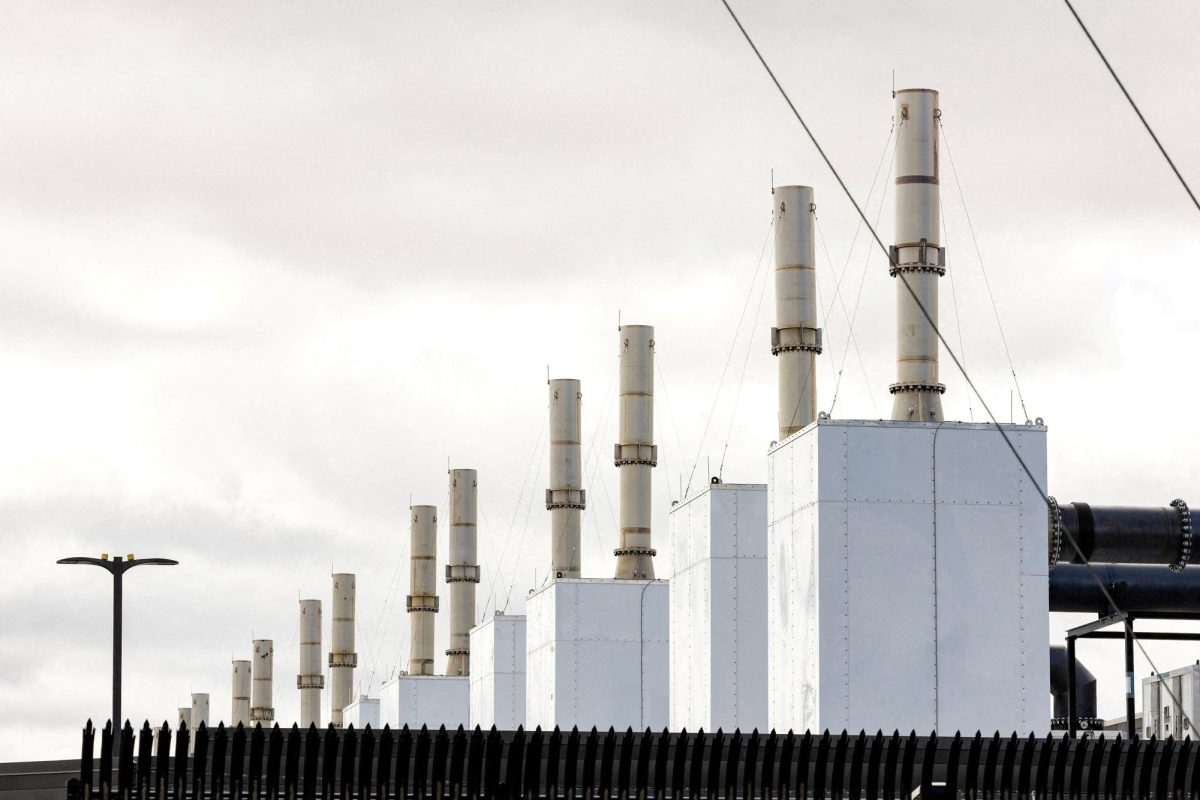
Consumers as a whole are mixed on AI, but that isn’t stopping large tech companies from forming a monopoly of data centers focusing on AI: the U.S alone has over 3,000 data centers, with a vast majority of these focused on supporting infrastructure for AI. Many regions, particularly the United States of America, have had plenty of data centers for a while now, so it may not seem like a major issue at first glance. However, the construction of data centers is heavily increasing in speed with the recent boom of AI, and due to the heavy amount of power that AI engines such as ChatGPT and Gemini use, the amount of resources that these facilities require is increasing more than ever.
One of the main issues regarding the increased-production of data centers is how much water is needed for these facilities to run: data centers need water to cool down their large infrastructures as they produce immense amounts of heat, with these data centers using up to 5 million gallons of water every day. This amount, however, is unfortunately increasing as time goes by. With the rise of AI usage among consumers, data centers that power the complicated framework of their artificial intelligence need many more of these resources to be fully sustainable.
To some people, data centers using massive amounts of water may not seem like much of an issue, as with how big the Earth’s oceans are, it almost seems like humanity has practically an infinite amount of water. Unfortunately, this is not entirely correct: while the world does have a lot of oceanwater, the amount of fresh, drinkable water that the world has is actually much more scarce than people think. While 97% of water is saltwater, only 3% is freshwater, which puts into perspective how small the Earth’s supply of drinking water really is compared to how much is in its oceans. While using the ocean’s water instead of freshwater seems like an easy solution, it’s not that simple: data centers rely heavily on using freshwater because of saltwater’s corrosive nature, and it doesn’t seem like this is going to change anytime soon.
While some aren’t being affected by this yet, many others are: a Georgia family last year was shocked to learn that due to a large data center being built near their home all of their water appliances had stopped working entirely, and with the ever-increasing amount of data centers being built this is becoming more and more likely to occur more frequently. Water is one of the most important resources for humankind and without easy access to it, society may be looking towards a grim future.
While water is an important factor in how data centers are affecting society, it’s also heavily increasing how much people spend on their electricity bills. Supporting these centers requires a very large sum of money, and companies are placing the responsibility of a major amount of the payment onto their consumers and home-owners. Due to this, electricity bills have increased almost everywhere in America, and it is especially prevalent in data center heavy states like Virginia, with a 267% increase in how much electricity bills cost since five years ago. This doesn’t seem like it’s going to decrease anytime soon, as the amount of power these data centers need is likely to double within the next ten years.
With all this in mind, is it possible that people could really one day live in a world where they actually run out of fresh drinking water? The short answer is no, at least not for a very long time, but the longer answer is more complicated: with how much freshwater is being used up by data centers and the ever-increasing number of them, it is possible that freshwater could eventually become much more scarce of a resource than it is now. In fact, it’s already happening: 25% of the world’s population is facing water scarcity, and this could increase even more as time goes on.
Of course, this is not to say that there can’t be anything done about the mass-construction of data centers: the increase in the building of data centers has also led to a heavy increase in protests all across the U.S, and some of these protests have actually been successful. In one case, a $1.3 billion dollar data center project in Indiana was cancelled after community backlash, along with countless other examples of the same thing happening in other states, totaling to a current amount of over $18 billion dollars in data centers being cancelled.
This goes to show that ordinary citizens have the power of changing both their communities and the entire world for the better; people just have to work together to make it happen. Whether it’s one person or protest at a time, hopefully one day people will live in a world where they don’t have to worry about something as simple as water.