In July of 2019, baseball invented a new rule named the automated ball-strike system, or ABS. This allowed either batters, catchers or pitchers to challenge a pitch by tapping their head immediately afterward to signal to the umpire that they were challenging the call. By using new technology and cameras around the field, the pitch, and whether it was a ball or strike, is shown on the jumbotron. But just like challenges, players only have two mistakes per game, with this rule change happening due to the fact that umpires were missing too many calls in big situations.
Over the 2025 MLB season, umpires missed a total of 26,567 calls. The ABS system is great for the game since it allows players to fix this error. In one game, umpire C.B. Bucknor missed 28 calls. Too many big games were not being decided by the players, but rather the umpires. In the 7th inning or later, umpire accuracy tends to decline, which is why the ABS system was implemented. It allows horrible calls to be overturned, which saves the umpires from criticism since people don’t talk about “the call that ruined the game”, but rather, they talk about the players and what actually happened that doesn’t involve a missed ball-strike call. The ABS also brings excitement and anticipation whenever a player challenges a call, as the whole stadium is on their feet waiting for the pitch to be shown on the jumbotron, and the fans at home are closely watching their TV.
Since the ABS system has been implemented into the MLB this season, fans have talked much less about bad calls in games. The spotlight has shifted away from officiating and onto the field itself. This is because every bad call can be overturned now, unless the team has used their two mistakes already, which in that case, is on them. This takes unneeded pressure off of the umpires: instead of questioning the calls after the game, the narrative is now focused on the actual game. This also keeps a consistent strike zone that keeps players, managers and fans from complaining.
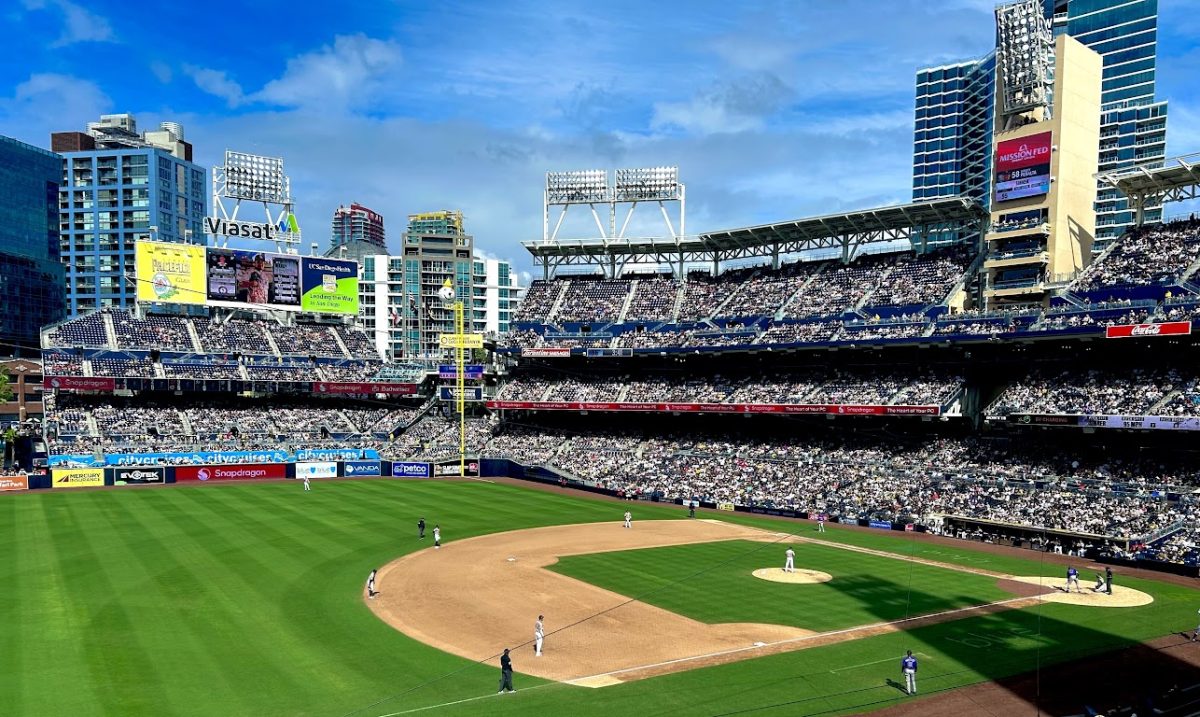
When a player taps on their head and signals a challenge on the pitch, it’s almost as if everyone watching the game gasps. The moment immediately becomes tense and silent. The people at the stadium are intensely watching the jumbotron, and the fans at home are watching their TV closely. The ABS system unties everybody together and creates a great moment. When the TV or jumbotron eventually shows if the call was a strike or not, the stadium either erupts in cheers or boos. The ABS system brings out the stadium atmosphere on and off the field.
Many say that the ABS system takes away from the “human” feel of the game. Catcher framing doesn’t matter anymore, and you can’t “get calls” from umpires anymore. But it actually emphasizes the talent level of the pitchers. The ones who are able to pitch it perfectly in the corner of the strike zone and fool the batters. On the other side, it also emphasizes the batters with a great eye who are able to depict whether the pitch is a strike or not on close pitches.
Now that the ABS system is fully in the MLB, it’s safe to say that it might be the greatest thing that has ever happened to baseball. Players still get the enjoyment of “getting calls” that benefit their team, but at the same time, if the call is too outrageous, then players can challenge the pitch. And most importantly, all of this happens in under 15 seconds on the jumbotron, which is visible to the whole stadium. Who knows what is yet to come due to the ABS system?