
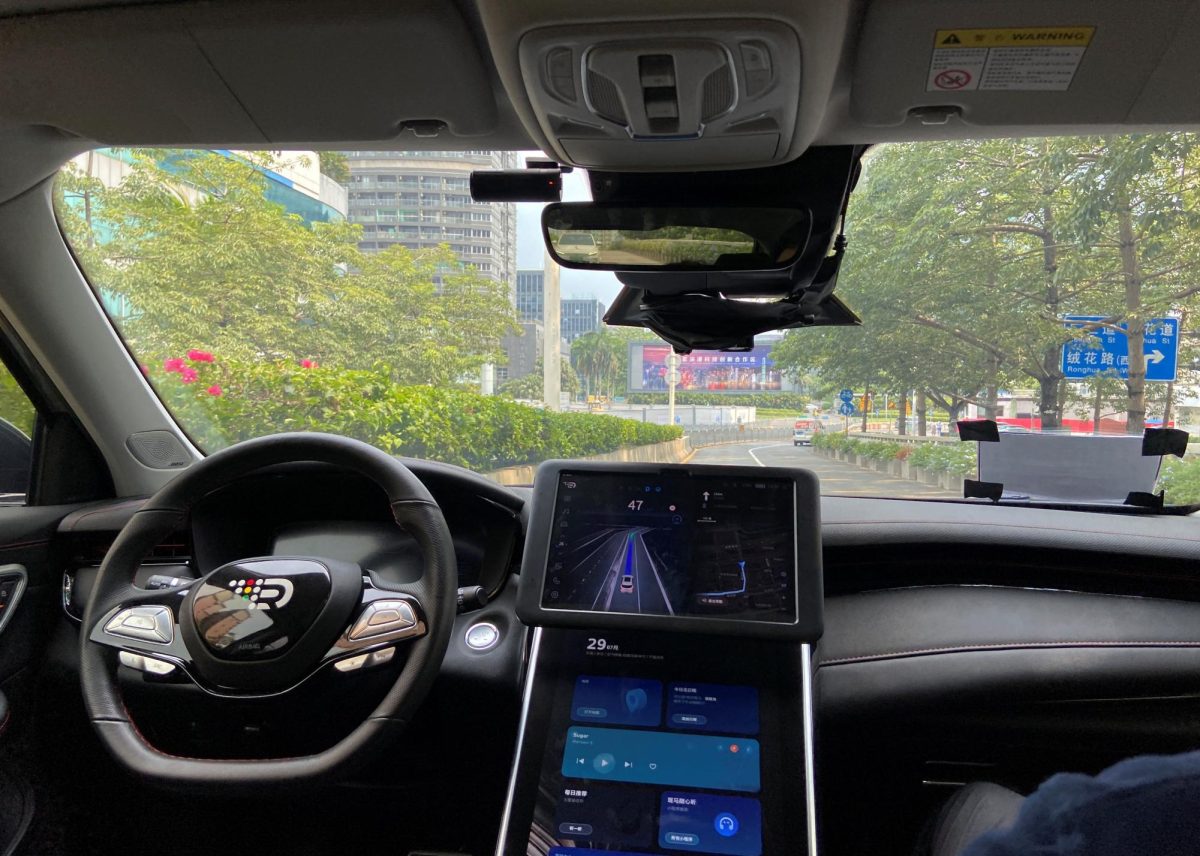
With how fast technology is advancing in the modern world, it’s no surprise that the vehicle industry would eventually receive an upgrade: as time passes, autonomous (self-driving) vehicles are becoming more widespread than ever. While they aren’t publicly available for usage yet, testing has been underway for a while, and it’s becoming increasingly likely that autonomous vehicles will one day be a common sight on America and other global superpower’s roads.
This may sound great, but this new technology is actually more of a downgrade than an upgrade. While sounding good in practice, these autonomous cars don’t mix well with human-driven vehicles on the road, and it’s becoming increasingly clear how unreliable these self-driving cars are, especially due to their lack of adaptability to handle complex traffic situations.
More recent autonomous vehicles work by using generative AI to form decisions, and as known by most people, this form of AI makes many mistakes, and autonomous vehicles are no exception. There have been many reports of these self-driving cars running over animals, either due to negligence from the vehicle’s supervisor, an autonomous vehicle not detecting the animal, or both. In one case, a cat named KitKat’s death caused worldwide outrage after it was run over and killed in a hit and run by an autonomous car. While the majority of deaths caused from self-driving vehicles are animals, humans are not exempt from this either. In 2018, a woman named Elaine Herzberg was also hit by an autonomous uber and later died in the hospital.
This already should have signaled that autonomous vehicles aren’t any more reliable than human drivers, but there are also new risks with self-driving cars that human-driven cars never had to worry about. Due to how these cars work, autonomous vehicles are vulnerable to being “hacked” by third-parties similarly to how websites and software from the internet can be hacked or have a virus put into them by hackers. Considering that self-driving cars aren’t publicly widespread yet, this is not a huge issue as of now, but as they become more popular it will become much more of a concern. Is it really worth it to use these autonomous cars when they are always at risk of being maliciously hacked into?
Last but most importantly, self-driving vehicles just won’t mix well with human-driven ones on the road: autonomous vehicles are built to be altruistic and make decisions that aid other drivers, whether the car is in a rush to get to somewhere or not. Humans on the other hand, however, aren’t as altruistic as these self-driving vehicles: in fact, they’re selfish, especially when in a hurry, which is unlike autonomous cars and how they treat other vehicles and obstacles, at least most of the time.
These driving styles are entirely separate from each other and don’t mix together well at all, and putting them on the road together will only lead to more issues. While there are only a few self-driving cars on the road now, them becoming more prominent would very likely lead to this exact scenario. It is evident that these vehicles should not be put on the road for the foreseeable future.
Despite all of self-driving vehicles shortcomings, the technology is still ever-changing and evolving, and it’s unclear what autonomous vehicles will look like in a few years, or if they will even be publicly available. However, due to the amount of human drivers on the road and how unreliable these types of vehicles are, they are most definitely not ready for the road yet, and should either be discontinued entirely or tested more extensively to ensure that these autonomous vehicles are actually as reliably “autonomous” as they are supposed to be. Overall, it’s clear that to insert autonomous vehicles into everyday life successfully, they need much, much more time in the oven.