

A time of freedom was when summers were filled with sticky fingers and bright red, dripping popsicles, and when cool summer treats were shared and not restricted. Now, they are being replaced with low-calorie desserts and the newest health fads. Diets are quietly stealing the innocence away from the summer months that are dedicated to childhood, and the once-considered adult issue of counting calories and clean eating is now defining childhood.
Eating disorders among children ages 12-19 have risen by 54% since 2020. More specifically, a 63% increase in anorexia nervosa, an eating disorder that focuses on starving oneself . This increase has joined the increase in new diets and health trends.
This rise in eating disorders has a direct correlation to the diet culture that parents influence. The normalization of dieting within social media has led to parents trying every new diet fad, while passing these unrealistic eating habits and ideals onto their children. Such as not allowing any sugar or man made foods into your diet.
Eating behaviors are shaped throughout a person’s life and are influenced by their surroundings, such as others’ habits and mentalities regarding food. The NIH helps further this point by conducting research that emphasizes that the first five years of life are crucial for developing long-lasting eating habits.
Diets and their surrounding culture are harmful to children and give them a fearful outlook on food that is long-lasting into adulthood. These diets tend to show kids to fear food rather than educate how different foods may make them feel or affect their bodies. The Children’s Hospital of Orange County (CHOC) helps develop this by showing that, although hard to believe, children do keep these beliefs and harshly affect how they view food.
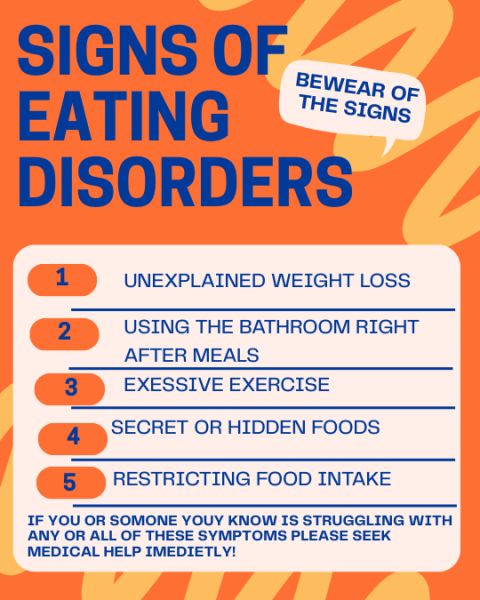
Disordered eating is extremely mentally taxing on a child, and is even considered a mental health condition. It takes away value and innocence from one’s childhood, forcing them to grow up with an unhealthy and unsustainable mental state and potential health complications. This can lead to more than just disturbed eating habits; it can cause a plethora of diseases as well as other mental conditions such as depression and social anxiety. This is typically difficult to handle as a fully grown adult, let alone a child with a developing brain and social standards to uphold.
While it is true that dieting can lead to healthy eating and weight loss, it may also lead to a form of family bonding for some. Most diets focus on restricting food and make people lose weight at unhealthy rates, rather than educating. These lead to ruinous habits of relapse and a mindset that is detrimental to any human, especially children.
Kids who grow up surrounded by diet culture and unhealthy eating habits are at high risk of developing an eating disorder compared to those who are not. Baylor Scott & White Health helps reiterate this topic by showing how studies have proved that eating disorders in children are mainly caused by diet talk and being told to lose weight.
Today’s diet culture is harming the development of the current and upcoming generations. Although detrimental, diet culture can be fixed by educating the importance of food rather than instilling a fear of it into today’s youth.