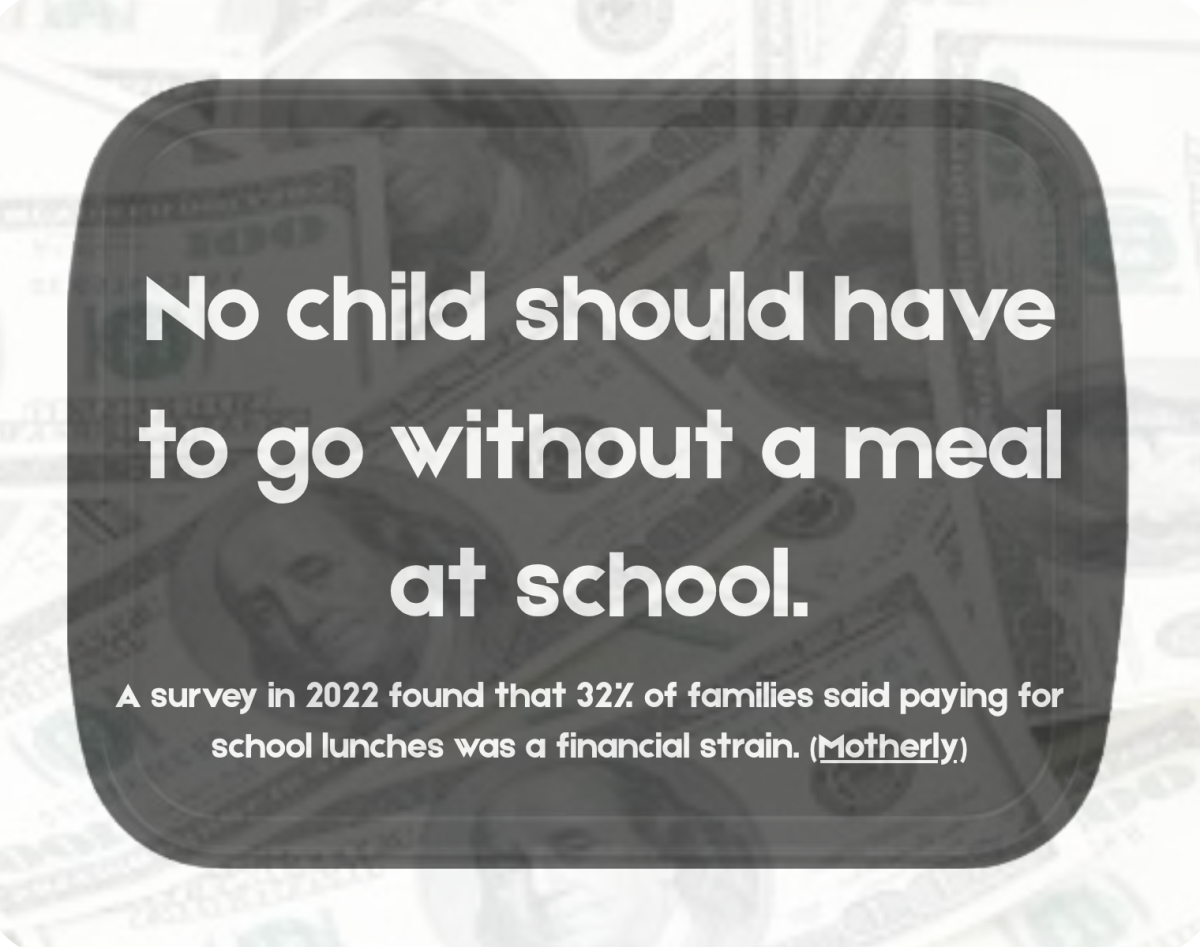
After several years of California’s Universal Meals Programs (UMP), the government is moving to reinstate paid school lunches. The change means families will once again be responsible for covering the cost of their children’s meals at school. By reinstating this act, it is undoing a program that kept 72.1% of kids fed. In a time of rising costs, taking food off students’ trays isn’t a capital responsibility; it’s cruelty disguised as policy.
Free school meals don’t just fight hunger among lower income families; they create a fair and supportive learning environment for every student. A report on Universal Free Meals in California found that the meals increased participation within schools and reduced unpaid meal charges. Providing free meals also helps reduce social pressure, so students can concentrate on learning instead of feeling singled out during lunch. Every child deserves to learn without worrying about whether or not they can afford lunch.
Requiring students to pay for school lunches adds unnecessary tasks for schools. The time and money spent tracking payments and managing meal accounts could instead go toward improving food quality and nutrition programs. According to the Center on Budget and Policy Priorities, requiring schools to charge for lunches creates extra administrative work, like processing payments and managing meal accounts, that pulls time and resources away from efforts to improve meal quality and nutrition programs. Free school meals simplify the system, allowing schools to focus on students, rather than balancing budgets.
When students can’t afford lunch, the costs don’t disappear; they pile up on district balance sheets. In fact, a 2024 report found that the median unpaid meal debt per district reached $6,900, a 26% increase from the previous year. That money often has to come out of education budgets, forcing schools to divert funds away from classrooms and student programs just to cover meal costs.
Many argue that universal free school meals, while well-intentioned, may not be financially sustainable in the long run. As Chalkbeat reports, the popularity of free meals among students has led to budget overruns, raising concerns about whether limited resources could be better targeted to the students who need them most. Several states have already seen costs exceed initial projections, putting pressure on education budgets and forcing lawmakers to reconsider how to fund the programs.
Providing school meals to all students eliminates the need for income verification, ensuring that every child has access to nutritious food. This approach supports better learning outcomes and promotes equity among students, regardless of their families’ financial situation. Research indicates that Universal Free School Meals not only decrease income-related torment, but also improve student health and academic performance. When schools provide free meals for all, they remove barriers to learning and give every student an equal chance to succeed.
Charging students for school lunches can impose hidden costs on low-income families, strain school budgets, reintroduce stigmatizing practices, and increase administrative burdens. Eliminating school lunch charges can lead to a more supportive and effective learning environment for all students. Investing in free school meals is an investment in children’s health, focus, and future success.