
Rad Power Bikes went bankrupt on Dec. 15, 2025, and was sold for 13 million dollars after a catastrophic warehouse fire. Other factors, including new tariff implementations and multiple battery explosions have also contributed to their downfall.
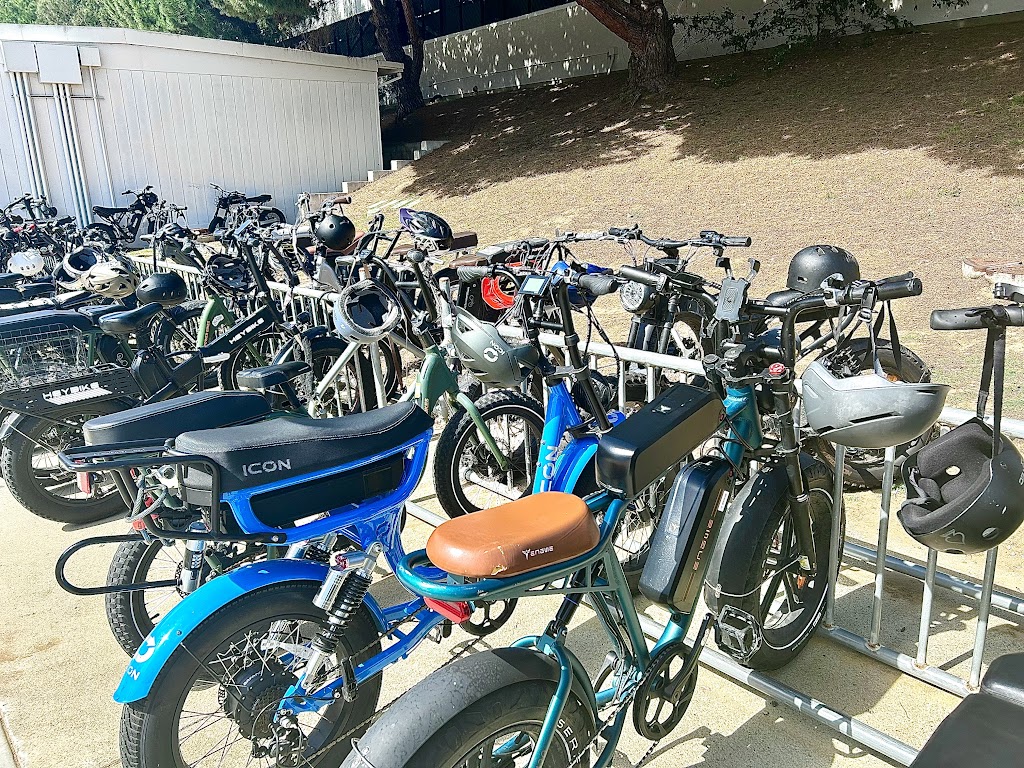
Rad Power was a central producer in the e-bike industry during the COVID-19 pandemic, their bikes of which are still used by many students on campus. Sophomore Ollie Rousseau rides a Rad Power e-bike to school almost every day and has faced many problems with his bike since the company went bankrupt.
“My battery got waterlogged, and the controller got disrupted, so I had to take it in to get fixed,” Rousseau said. “But none of the stores had those parts because of Rad Power’s bankruptcy, and I had to find a more expensive option, affecting my form of transportation for a few weeks.”
Sophomore Matt Siporia rides a Rad Runner 2 e-bike and has been riding it since seventh grade. While the bike has lasted several years, he claims to have always had trouble with its efficiency, questioning the brand’s quality.
“I’ve popped my tire more times than I can count at this point, and it just recently happened,” Siporia said. “I’ll have to change the brake pads now and then, and a fuse even burnt out, [which] gave me some trouble.”
Rousseau agrees that the tariffs were detrimental to the company and had a strong effect on the stock market. He believes that stock investors in the company are now backing out, creating a lower profit worth for the company.
“I think Rad Power could have made a comeback if they started paying for their debts, if the tariffs weren’t applied anymore,” Rousseau said. “For example, if the midterm elections change to Democratic, I can see that happening.”
Considering that teens generally get their driver’s license halfway through high school, some face the issue of having a lasting use for their bikes. Siporia mentioned that he wouldn’t buy from them again, as he is about to obtain his license and wants to save money by using the car he was given rather than continuing to invest in his e-bike.
“[The bankruptcy] has impacted [Rad Power’s] customers by not giving any more support on the bike itself,” Siporia said. “Say there’s a problem, they can’t contact the people who know it best anymore.”
Brands like Lectric eBikes have now surpassed the once top-of-the-market Rad Power and are gaining popularity for customers looking for an alternative. Many e-bike companies now take note of the costly decisions that led to Rad Power’s downfall.
“The e-bike market is really competitive, but I think Rad Power dominated it at first because of their early introduction [and] the quality and longevity of their e-bikes,” Rousseau said. “They [also] had a lot of influence on social media because [e-bikes] are mainly used by younger people.”
When Rad Power first exploded in popularity, Carlsbad created extended bike lanes, strict biking laws and greater safety regulations. Despite the downfall of this central brand, E-bikes still offer greater convenience over gas-powered vehicles, allowing students to connect with their friends more than ever.
“I feel like they’re important because students use them for transportation,” Siporia said. “You can get to places while your parents are working and for kids wanting to hang out with their friends last minute.”