At CHS, a new wave of recreational drug use is sweeping through bathrooms and the back rows of classrooms. Students are finding increasingly discreet ways to consume nicotine, and schools are struggling to keep up.
While the scent of marijuana use still lingers in school bathrooms, students say nicotine has become the more prevalent substance as it has become increasingly easier to conceal. This has created a widespread public health concern for teens.
“You can’t really go to a bathroom without walking in and getting a sniff of some blueberry vape vapor, you know, the wretched stink,” senior Cole Evans said. “So it’s pretty tough nowadays.”
Nicotine use often starts socially. Students offer ‘hits’ to friends in the bathrooms or other secluded spots, quickly escalating to habitual use.
“It goes from trying it once to getting their own device and more prevalent use,” Evans said. “I’ve noticed some sophomores start to [twitch] mid-physics because they don’t have access to their nicotine.”
Small, odorless nicotine pouches and handheld vapes make detection difficult for teachers and staff, allowing for students’ dependency to take hold unnoticed. Campus Police Officer Tyler Mazzocco acknowledges this ongoing challenge.
“Vaping is still a problem that we have here on campus,” Mazzocco said. “I think the industry has tried to say vaping is safer for everybody, but now there’s more information saying it’s not safe for you.”
While nicotine products are widely used, Mazzocco emphasizes that THC vapes pose a significant safety risk. THC vapes contain tetrahydrocannabinol, the psychoactive compound in marijuana, which can impair judgment and brain development in adolescents. These products are now more potent than in the past, increasing their potential harm to users.
“Regarding vapes that contain THC, there are much higher levels of THC now than in the old days, and so it affects people much differently,” Mazzocco said. “It’s just poor decision-making, lackadaisical behavior. THC will affect students that way.”
Both CHS and the Carlsbad Police Department have implemented educational programs for students caught vaping, especially if THC is involved. This is part of a broader effort to curb usage.
“If someone is caught vaping on campus, they have a program here that they’re enrolled in,” Mazzocco said. “We’re putting information out there that this stuff is not good for you.”
Still, some students like Evans believe enforcement could be stronger. He suggests stricter punishments and more monitoring in common-use areas like bathrooms.
“Nicotine is extremely addictive,” Evans said. “People can’t go six hours of school without using it.”
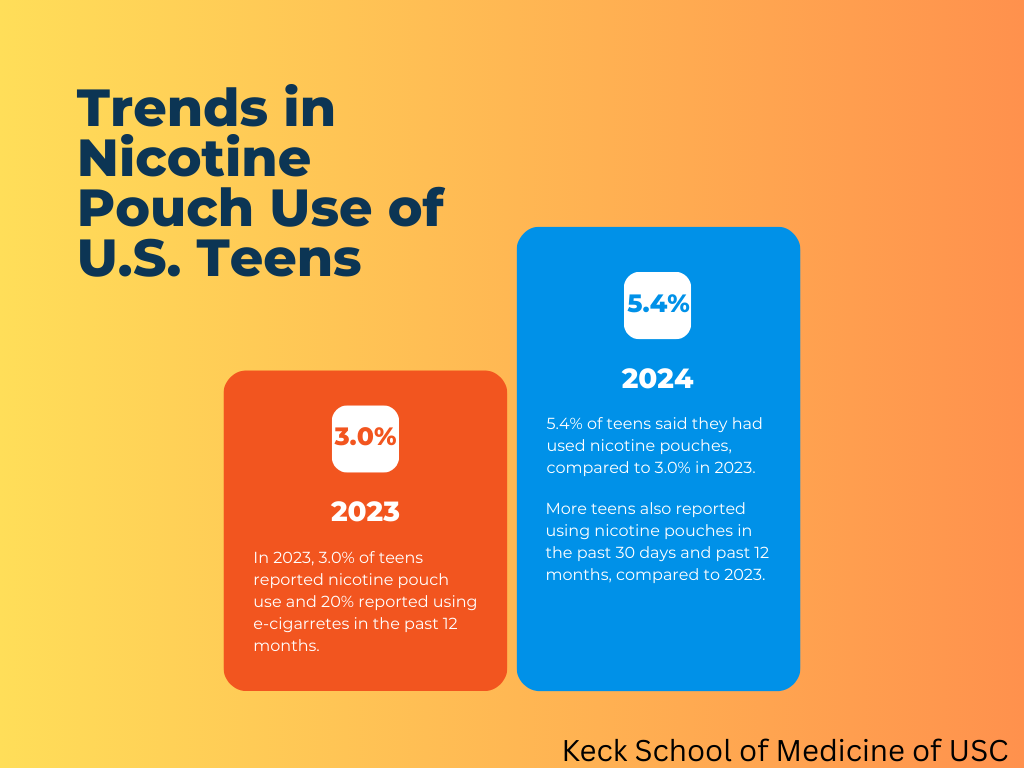
This trend presents a national youth nicotine epidemic, with the percentage of teens ingesting nicotine in North County increasing. It is amplified by products designed for discretion and easy access. Despite this, Mazzocco remains hopeful that consistent education can make a difference.
“The educational stuff is becoming more prevalent,” Mazzocco said. “We just have to keep reinforcing the message.”
Yet for many students, the message competes with social pressure, addiction, and a culture of concealment that has normalized use during the school day. Easy access and discreet products allow nicotine use to continue largely out of sight, reinforcing the perception that it is harmless or widely accepted.
“This drug use is a big issue just because nicotine and weed specifically are harmful for the developing brain,” Evans said. “Steps should definitely be taken.”
This impact extends beyond individual health. It affects classroom focus, school climate, and community well-being, showing that vaping is becoming more than a personal habit and now a school-wide challenge. CHS and local authorities are expanding prevention programs and educational interventions to address this trend and support students in reducing use.
“When you’ve got a homie in the back of the class with red eyes and a monotone voice, it affects the whole environment,” Evans said. “It’s more than just a bad habit. It’s changing the vibe of the school.”